15 Customer Service Trends in 2026 Every Support Leader Should Know
On this page

Customer service has changed more in the last two years than it did in the previous decade, and 2026 is the year all those shifts settle into a new playbook.
- AI is doing real work now
- Customer expectations have hardened
- The brands pulling ahead are the ones who figured out exactly where machines help and where people still matter
If you run a support team, or work in one, this is the moment to look up from the queue and check whether your strategy still fits the world around you.
In this guide, we will walk you through 15 of the most important customer service trends shaping 2026.
Key Takeaways
- AI handles routine support, while human agents focus on complex, high-value interactions.
- Cutting costs with AI alone often hurts customer experience and long-term results.
- Self-service is now the preferred starting point, making strong knowledge bases essential.
- Customers expect seamless conversations across channels without repeating information.
- Transparency about AI use and responsible data practices have become key trust factors.
- Customer support is increasingly measured by its impact on retention, loyalty, and revenue.
- Success metrics are shifting beyond CSAT to include effort, outcomes, and customer retention.
What Are the Components of Customer Experience?

Before we get into customer service trends, let's start with what we mean by customer experience.
Customer experience is the sum of every impression a person forms about your brand across their entire relationship with you.
Instead of one moment, it's the accumulation of dozens of touchpoints, feelings, and expectations that add up to a gut sense of whether you're easy to deal with or a headache.
Here are the components that make up customer experience:
- Touchpoints: Every place a customer interacts with you (your website, app, emails, phone line, chat widget, social media, packaging, in-store visits) builds or erodes trust.
- The customer journey: The full path from first awareness through purchase, onboarding, support, and renewal or churn. Mapping this journey reveals where customers struggle or drop off.
- Emotion: How customers feel at each step. These feelings drive loyalty more than features. Which is one of the main reasons why a frustrated customer leaves even when the product works.
- Expectation: The bar customers measure you against.
- Brand perception: The overall story customers tell themselves about who you are.
- Effort: How hard customers have to work to get what they need.
Customers no longer compare you only to your direct competition. They compare you to the best service they have ever received from anyone.
By Shep Hyken, forbes
The customer service trends in this guide all touch one or more of these components.
Customer Service Trends in 2026
1. Agentic AI Moves From Demo to Production
Agentic AI is the headline trend of 2026.
Unlike the chatbots a few years ago that matched keywords to canned replies, agentic systems can reason through a problem, pull data from multiple systems, take action, and adapt mid-conversation.
Agentic AI can:
- Cancel subscriptions
- Process refunds
- reschedule appointments
All without a human ever touching the ticket.
I experienced this kind of customer service with ChatGPT recently. I didn't like what ChatGPT was offering compared to other competitors, so I decided to cancel their subscription before it's too late.
The process was pretty straightforward. You chat with their AI agent, answer some questions and then it processes the refund. Although I would have preferred a simple refund with the cancellation button.
Nonetheless, the system works great to collect some feedback from leaving customers (and deflecting some cancellations by making the entire process hidden and hard).
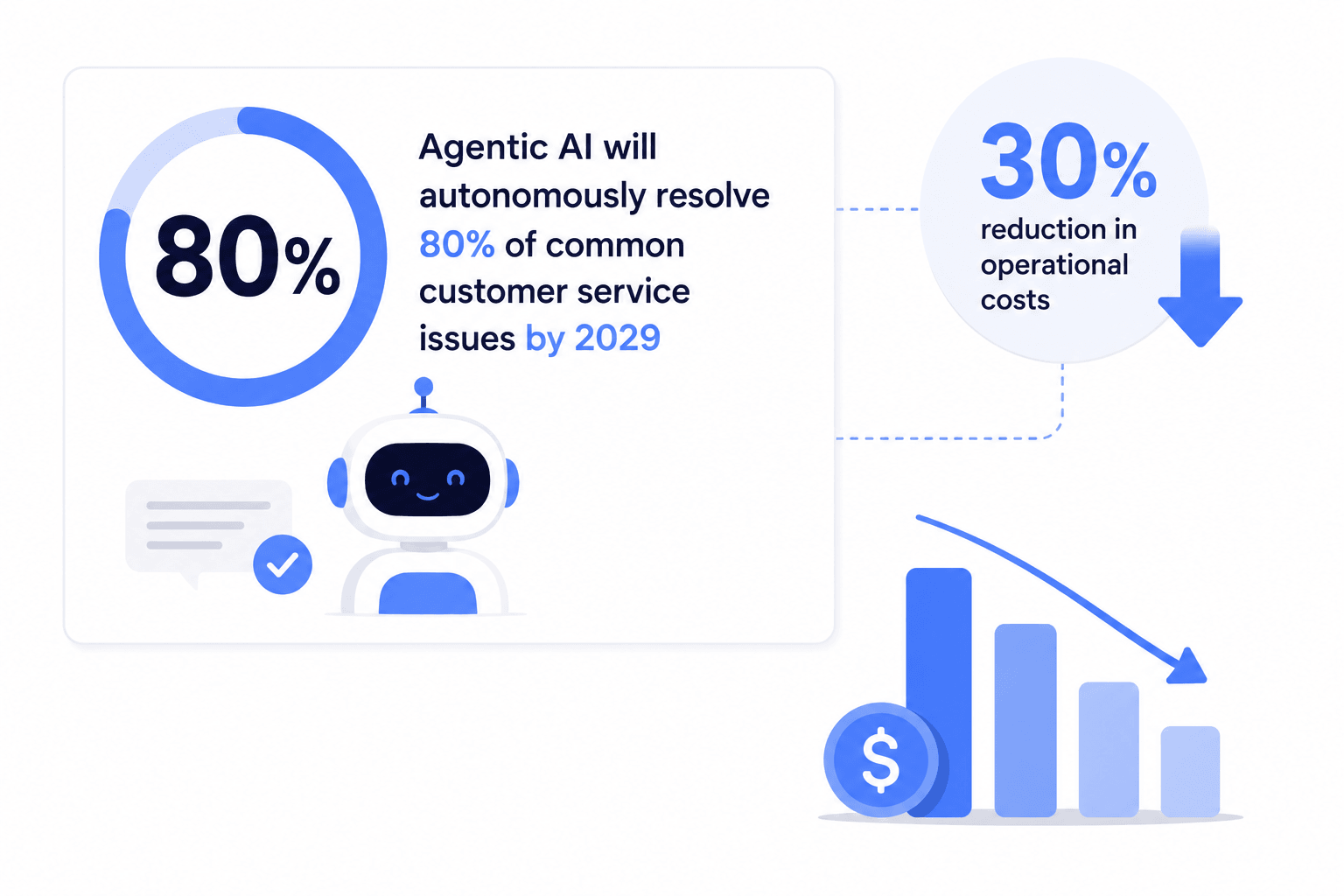
Gartner made the prediction that agentic AI will autonomously resolve 80% of common customer service issues without human intervention by 2029, leading to a 30% reduction in operational costs.
What's working today is the assistive layer. Most teams call "AI copilots" for human agents.
The copilot in customer service helps with:
- Drafting replies
- Summarizing long ticket histories
- Surface the right knowledge base article
- Translate messages in real time.
Agents stay in control and handle more tickets per hour with less fatigue.
2. The AI Chatbot Backlash and the Return of Human Support
A fully AI-driven customer service approach could backfire badly.
Customers easily get frustrated with AI chatbots trying to answer or deflect questions using some random jargon. Or fighting chatbots to reach a human.
From a brand perspective, a company perspective, I just think it’s so critical that you are clear to your customer that there will always be a human if you want. By Siemiatkowski, Klarna
The term "AI-first" sounds great to investors but terrible to customers and staff.
AI can match or even surpass human performance on simple, high-volume queries. But it degrades sharply on complex disputes, fraud claims, and emotionally charged situations.
The winning customer service and support architecture for 2026 is a blended model where conversational AI owns the volume tier and humans take everything that needs judgment.
3. Hyper-Personalization at Scale
Personalization stopped being a nice-to-have and became an expectation, and it’s definitely not just about using Hi [First Name] tokens.
Customers now assume you know who they are, what they bought, and what they're likely to need next.
In customer service it can be about:
- Greeting a returning customer with awareness of their last chat
- Anticipating their question before they ask it
- Tailoring tone, language, and offers based on customer data and choices
It can only be possible with unified data, behavioral signals, and AI that can synthesize that context in real time.
But that real personalization depends on clean, connected, consented data, which most companies still struggle to assemble.
4. Proactive and Predictive Service
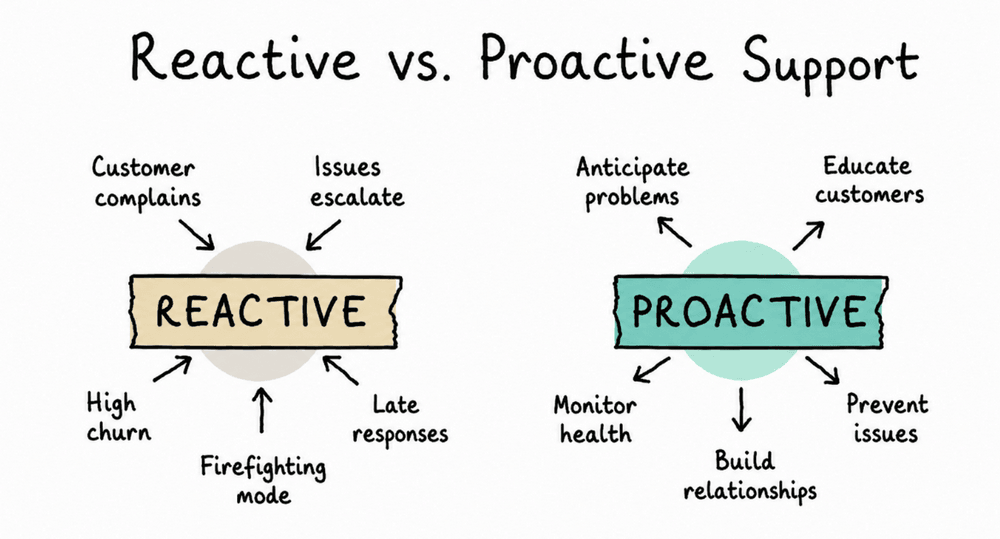
The best service interaction is the one that never has to happen.
Proactive support flips the model from waiting for complaints to spotting and solving problems before customers even notice them.
Picture a carrier that reroutes your delayed package and texts you the fix before you check the tracking. Or a software platform that pushes an update overnight to resolve a bug you were about to hit.
That's proactive service.
AI is greatly improving the way companies provide proactive service. It does so by watching behavioral signals, such as login patterns, support history, and feature adoption, and surfacing who needs attention, when, and why.
The trick is taking action on what the prediction tells you.
Proactive outreach can also backfire if it feels like surveillance or spam.
For example, a heads-up about a shipping delay is welcome. An unsolicited "we noticed you haven't logged in" email is annoying at best.
If you're starting with proactive service, pick a few moments where it genuinely helps:
- Shipping delays
- Outages
- Renewal reminders
- Expiring discounts
5. From Omnichannel to Truly Unified Channels
For years, the goal was "omnichannel," which meant being available everywhere: phone, email, chat, social media, and messaging.
"Unified" means that a customer can start a conversation on chat, switch to phone, and follow up via email without ever repeating themselves because all of these channels share one continuous record.
The technology to do this isn't new, but the execution has finally caught up.
The agent (or AI) on the other end sees the entire conversation history, regardless of which channel each message came from..
Rather than adding more channels, the practical move for 2026 is to connect the ones you already have.
6. Self-Service Becomes the Front Door
If there's one trend that quietly underpins all the others, it's self-service.
Customers, especially younger ones, overwhelmingly prefer to solve problems themselves before creating a support ticket.
A well-built knowledge base is no longer an afterthought, it's the workhorse of modern support and the fuel that makes AI accurate.
Self-service has shifted from static FAQ pages to intelligent, contextual help that completes tasks rather than just listing articles.
Customers can ask questions in natural language, get answers tailored to their account, and resolve issues without ever opening a ticket.
This is where a tool like Heroic Knowledge Base earns its spot.
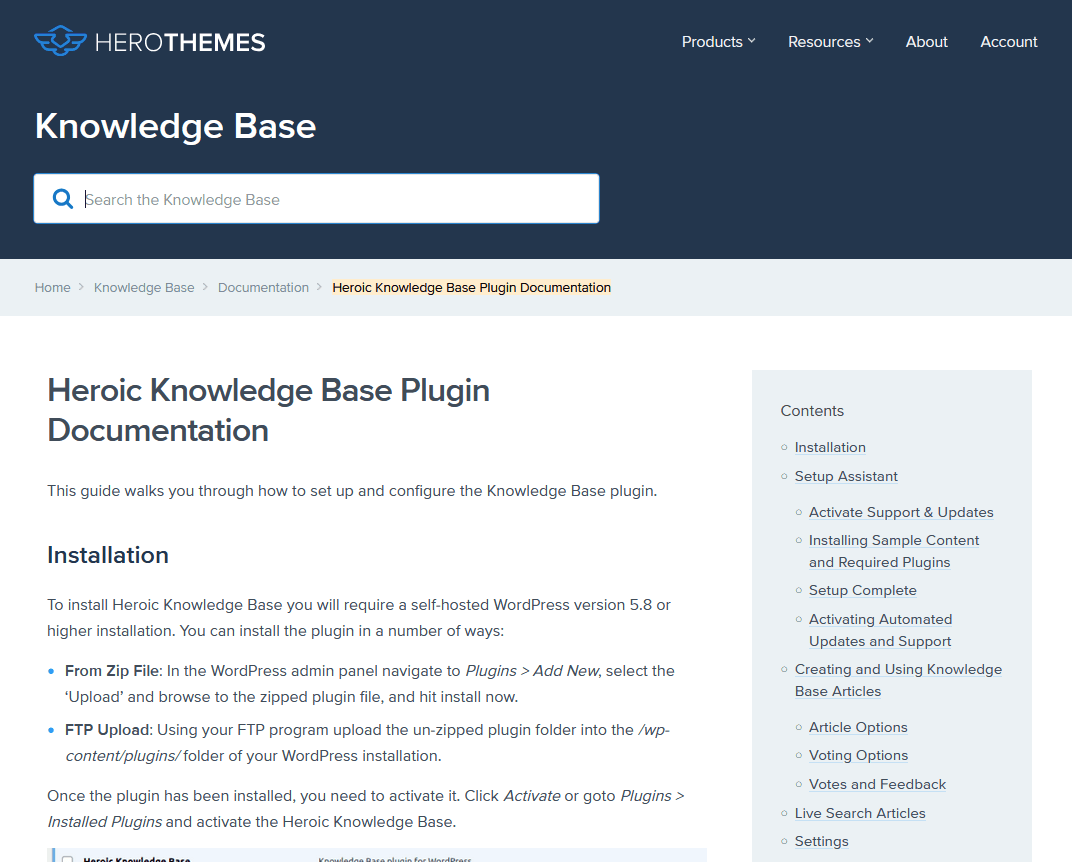
It lets you build a searchable, well-organized help center your customers can navigate on their own. With analytics that show which articles work and which gaps drive tickets.
Since it also serves as a structured content source, it provides the foundation for your customer service AI chatbot. This way, your self-service and automation both draw from the same single source of truth.
7. Voice of Customer Gets Real-Time
In the past, listening to customers meant reading a stack of survey responses once a quarter. In 2026, however, voice-of-customer programs run continuously and at scale. AI reads sentiment across every ticket, call, review, and social mention in real time.
You no longer have to wait to find out if customers are unhappy. It happens real-time now.
Sentiment analysis interprets the emotion behind words, flagging frustration, confusion, or delight so teams can act fast.
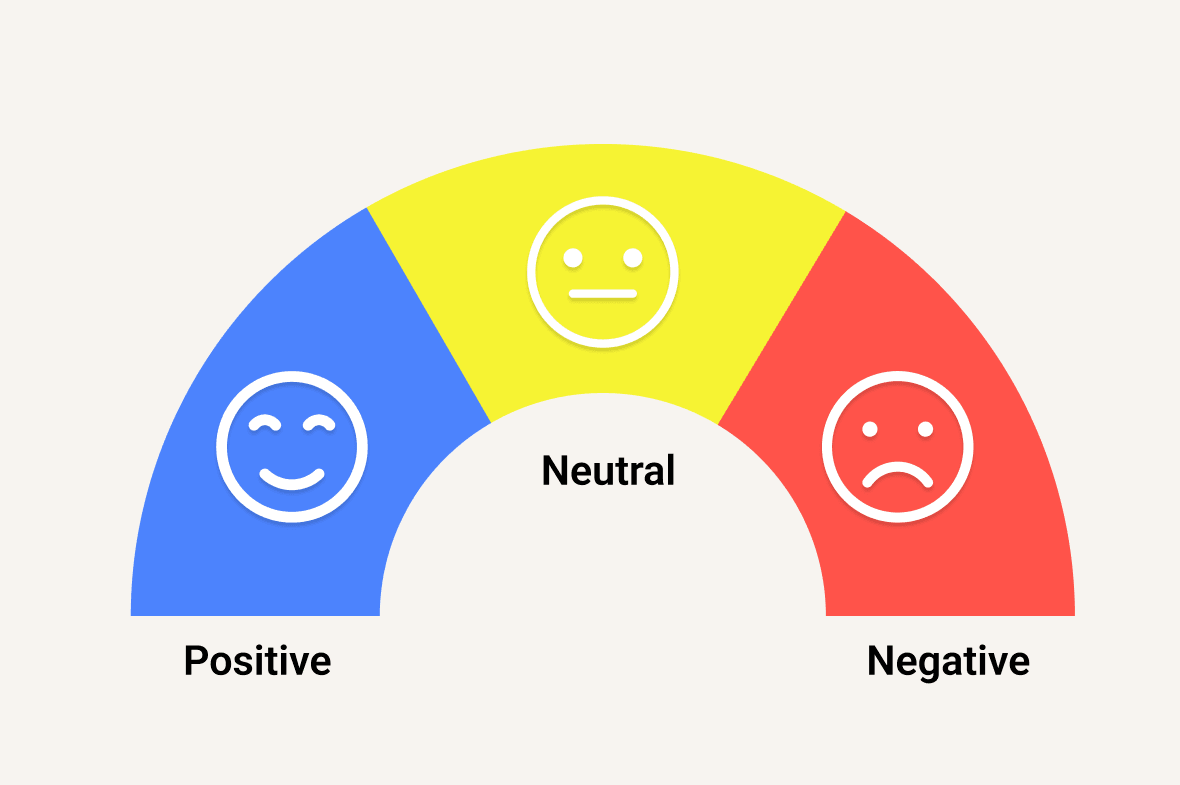
If it’s done well, it transforms the vast amount of unstructured feedback you already collect into an early-warning system.
For example, a spike in negative sentiment around one feature, or one shipping carrier, or one billing edge case, becomes visible before it floods the queue.
8. Employee Experience Drives Customer Experience
You cannot deliver a great customer experience with burned-out, poorly equipped employees.
The connection between employee experience (EX) and customer experience (CX) is one of the most important and underrated trends of 2026.
It's been true all along.
Employees will expect the same experience as you give your customers. By Shep Hyken.
Even though we have AI now, support agents are doing harder work than ever before.
The easy questions are being handled by AI, which means humans are left with the complicated, emotional, escalated tickets.
Burnout among support agents is now widely reported across industry surveys.
AI is being deployed to help employees, not just customers, by:
- Automating admin work
- Surfacing answers
- Drafting routine replies.
Happy agents are a direct input to retention, CSAT, and revenue. The brands that get this right are and will quietly outperform the ones chasing automation for its own sake.
9. Video Support and Async Video
Text and voice are still the primary source of support, but video is carving out a real niche.
Especially for complex troubleshooting where showing is better than telling.
Both live video support (with screen-sharing and co-browsing) and asynchronous video (where a customer or agent records a clip) are gaining ground.
Async video in particular lets customers record their issue on their own time, and agents respond with a visual walkthrough. This cuts down on the endless back-and-forth that comes with text-only debugging.
Video is resource-intensive and doesn't scale like text, so reserve it for cases where the visual payoff is significant:
- Technical setup
- Complex returns
- Product walkthroughs
- Onboarding
10. Messaging Channels: WhatsApp, RCS, and In-App
Customer service is becoming more like texting a friend, which is why messaging channels are among the fastest-growing customer service trends in 2026.
WhatsApp, RCS (Rich Communication Services), and in-app messaging are reshaping where support conversations take place.
WhatsApp serves billions of users globally and dominates conversational support in many regions outside the U.S.
RCS usage has surged since Apple added native support in iOS 18, bringing branded, interactive messaging to the default texting app on iPhones and Android devices.
This shift is significant because messaging is asynchronous by nature, allowing customers and agents to engage at their convenience rather than committing to a synchronous live chat session.
11. Social Customer Service
Social media is not just for marketing anymore. It's a frontline support desk whether you staff it or not.
Customers increasingly take problems straight to your Instagram DMs, X mentions, or Facebook comments, and they expect fast, public, genuine responses.
The stakes are higher on social media because your audience is watching.
Gen Z in particular expects brands to have an active social presence and to provide support there with a casual, genuine voice, instead of a corporate scripted one.
Stiff, corporate-scripted replies are an instant turn-off on social, and public complaints amplify damage faster than any other channel.
Social support that's disconnected from your main system loses context, resulting in inconsistent answers, which are worse than no response at all.
Staff your social channels with people who can be human, and route everything into your unified system so context isn't lost.
12. Customer Service Becomes a Revenue Engine
For decades, the service department was the one you tried to make cheaper. Now, however, leaders see it as a direct driver of retention, upselling, and lifetime value. This makes it a much more interesting topic in budget conversations.
A great support interaction is one of the highest-leverage moments in the customer relationship.
The customer is engaged, you have their full attention, and what you do next determines whether they renew, churn, refer, or buy more.
Companies are now measuring service by its impact on retention and revenue rather than just cost per contact.
They're freeing agents from routine work so they can spend time on high-value, relationship-building interactions.
13. Sustainability and Ethical Customer Service
Customers increasingly judge brands by their values, and now, that judgment extends to how they're served.
For younger consumers, in particular, sustainability and ethical practices have become part of the experience. They reward brands that align with their principles and abandon those that don't.
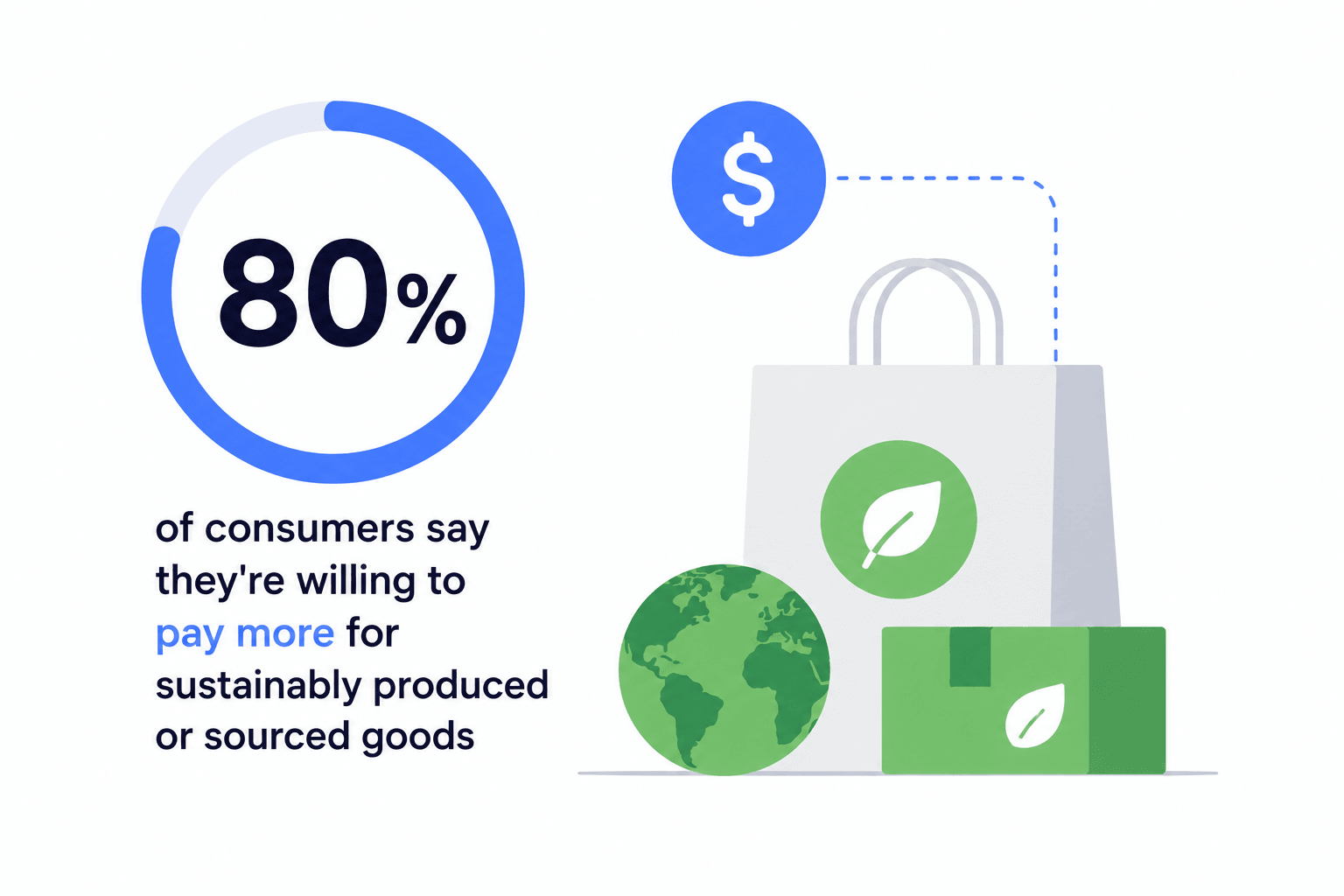
PwC's 2024 Voice of the Consumer Survey, which polled more than 20,000 consumers across 31 countries, found that 80% of consumers say they're willing to pay more for sustainably produced or sourced goods, at an average premium of about 10%, even amid cost-of-living pressure.
The honest truth is the well-documented gap between what people say and what they do.
In customer service, this trend is less about adding a "sustainable" badge to your help center and more about ethical practices in everyday details. This includes:
- Honest policies
- Transparent communication
- Fair refund and warranty handling
- No dark patterns
- Respect for the customer's time and money.
The version of ethical service that actually makes a difference is the one that customers experience directly.
14. Privacy, Data Ethics, and AI Transparency
Trust has become a recognized component of the customer experience, and how you handle data is the ultimate test of that trust.
As personalization and AI require more customer information, the brands that will succeed in 2026 are the ones that are transparent about what they collect, why they collect it, and how they protect it.
In 2026, take a practical stance by:
- Telling customers when AI is involved
- Explaining how their data helps them
- Giving them meaningful control
In a world where everyone's deploying AI, being trustworthy is a genuine differentiator, and it costs nothing but discipline.
15. Community-Led Support
As AI scales up the volume of automated answers, something interesting is happening: customers are increasingly seeking validation from individuals who have solved the same problem.
Community-led support, in which customers help each other in forums and other peer spaces, is becoming essential infrastructure rather than an optional add-on.
The driver is trust.
When an AI gives an answer, customers still want confirmation from someone who has experienced the same issue, especially for edge cases or emotional topics.
However, communities still need governance and light moderation; otherwise, they stagnate and fill with incorrect or irrelevant answers.
Final Thoughts: Customer Service Trends in 2026
Zoom out from all of these trends and one theme ties them together. 2026 is the year the industry stopped treating AI as a replacement for people and started treating it as a way to make people more effective.
The companies winning aren't the most automated or the most human, they're the ones that matched each tool to the task for which it's best suited.
The brands that will thrive in customer service in 2026 are:
- Easy to deal with
- Honest about their use of AI
- Genuinely helpful at the moments that matter.
Knowing where machines help and where humans excel is still entirely your responsibility.
Keep reading
- How To Deal with Angry Customers in 2026 (Scripts and Real Examples)Learn how to handle angry customers with proven de-escalation steps, calm response scripts, and practical ways to resolve complaints.
- 10 Best DocsBot Alternatives and Competitors (2026 Guide)
- 8 Best Free AI Chatbots for Websites in 2026Compare 8 free AI chatbots for websites by free plan limits, AI features, setup and upgrade cost, and find the right free chatbot for your site.
Put this into practice
HelpJet learns your docs and takes the repetitive questions off your plate. Set up in about 5 minutes.
Try HelpJet freeShare this article